
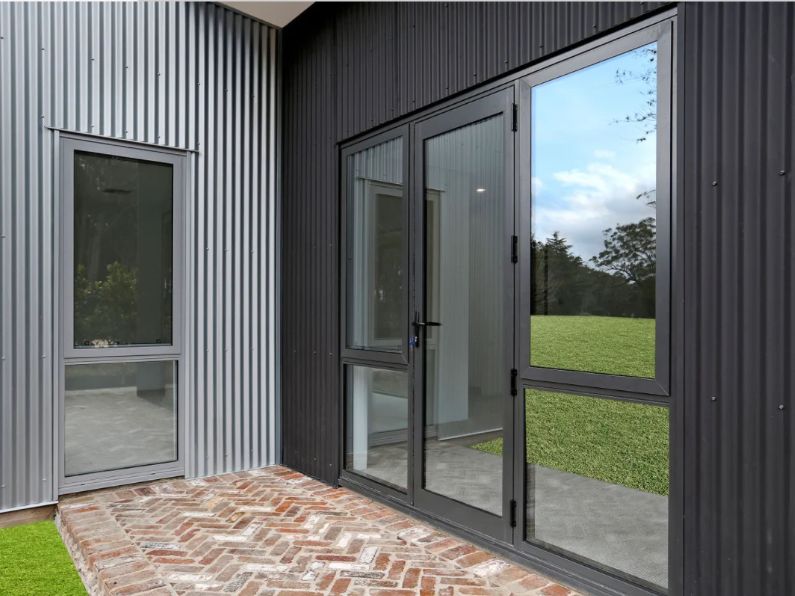
We’ve all dealt with a stubborn hinged door that squeaks, sticks or drags across the floor, while letting unwanted draughts into the living room. Over time, heat and humidity can take their toll on doors and hardware. The good news is that with a little regular care, maintaining your hinged aluminium door can help keep it opening and closing smoothly throughout the year.
Sweep and Clear Threshold Channels
Grit, garden dirt, and beach sand naturally build up at the base of our doorways. When debris collects in lower tracks or seals, every time the door moves, it grinds those hard particles against seals and bottom sweeps.
To protect your entryways, we suggest sweeping the threshold weekly, vacuuming out seal channels and wiping down the sill plate with a moist microfibre cloth.
Why? Eliminates abrasive wear on bottom sweeps, protects indoor flooring from unsightly scratches, and maintains an effective barrier against draughts.
Clean Hinge Leaves and Lock Mechanisms
Dust and fine salt particles settle on metal hardware, gradually absorbing atmospheric moisture and creating a sticky paste. Using liquid oil sprays traps dirt inside internal tumblers, leading to jammed pins over time.
To keep your locks working effortlessly, we suggest wiping exposed hinge leaves with a clean damp cloth and puffing dry powdered graphite directly rather than applying wet lubricants.
Why? Stops internal latch binding, keeps lock cylinders turning effortlessly, and prolongs hardware life without creating sticky grime.
Apply Dedicated Silicone Lubricants to Hinge Pins
Metal-on-metal friction across pivot joints causes unpleasant squeaking, pin wear, and eventual door drop. Standard penetrating oils act primarily as solvent water-displacers rather than true lubricants; they evaporate quickly and leave behind a tacky film that attracts airborne dust.
To ensure fluid movement across your hinges, spray a dedicated silicone or dry Teflon lubricant onto pin seams and wipe away excess fluid with a clean rag.
Why? Provides dry, long-lasting lubrication that repels dust, stops squeaks instantly, and reduces mechanical wear across pivot joints without leaving sticky residue.
Check and Tighten Frame Fixings
A heavy door panel places constant pressure on its hinges and mounting hardware. After thousands of opening and closing cycles, everyday vibrations around the home can gradually loosen the screws, causing the door to sag, rub against the frame and become misaligned with the strike plate.
To restore full structural stability, we suggest hand-tightening every hinge screw with a screwdriver and verifying subframe fixings on a hinged aluminium door.
Why? Re-establishes structural integrity, prevents panel sag, eliminates latch scraping, and ensures clean frame alignment.
Inspect Perimeter Weather Seals
Perimeter seals protect our indoor living spaces against temperature shifts and heavy rain. Constant sun exposure and temperature fluctuations degrade rubber weather strips over time, leaving them brittle or flattened.
To safeguard your home against harsh weather, we suggest checking rubber or foam weather strips for cracks and replacing damaged sections with suitable self-adhesive seals.
Why? Maintains a continuous perimeter seal, preventing coastal draughts, reducing outdoor noise penetration, and stopping driving rain.
Monitor Clearances and Manage Thermal Swelling
While a hinged aluminium door features superior dimensional stability, structural movement in surrounding walls can still alter frame alignment during humidity spikes.
To maintain consistent clearance gaps, we suggest sliding a thin plastic card around the frame perimeter or checking hinge alignments.
Why? Preserves consistent gaps around the entire frame, preventing binding during humid weather while ensuring light latch operation.
Seal Raw Timber Edges and Care for Aluminium Finishes
Unprotected timber end grain absorbs atmospheric moisture, leading to internal rot and warping. For metal frames, airborne salt deposits degrade surface coatings over time if we leave them unwashed.
To preserve your door finishes, we suggest painting exposed top and bottom timber edges with exterior protective paint, or washing powder-coated surfaces of a hinged aluminium door with warm soapy water and a soft sponge.
Why? Protects timber end grain from internal moisture absorption to prevent warping, while preserving aluminium finishes against coastal corrosion.
Calibrate Hydraulic Door Closers
Hydraulic closers manage closing speed and latching force on main entryways. If fluid leaks or adjustment valves drift, doors slam violently, shaking wall structures and damaging frame seals.
To achieve smooth and quiet closing control, we suggest checking the closer body for oil residue and adjusting the latching speed valves using a hex key or flathead screwdriver.
Why? Delivers a quiet, controlled closing action without frame-damaging impacts, securing the latch firmly every time.
Need Expert Help?
Taking time for routine care on every hinged door ensures our homes stay secure, quiet, and comfortable. Spending just 15 minutes each season prevents premature wear and maintains energy efficiency across changing Sydney conditions.
Whether we are servicing existing entryways or choosing new hinged aluminium doors, B&W Windows Group offers premium architectural solutions engineered for challenging conditions.
Explore our full range of hinged aluminium doors or speak with our expert today for any other questions.
FAQs
1. Why does a hinged door start rubbing against the frame?
Loose hinge screws, structural frame movement, or humidity swelling cause binding. On timber doors, moisture absorption expands the wood, while on hinged aluminium doors, worn hinge bushings or loose subframe fixings allow the panel to drop over time.
2. How do you fix a door that sags and hits the floor?
Tighten all top hinge screws first using a manual screwdriver. If screws turn continuously without tightening, replace them with longer timber screws or pack stripped holes with timber splints and structural adhesive before re-securing.
3. What is the best lubricant for door hinges in coastal environments?
Silicone-based sprays or dry Teflon lubricants work best. Standard oil lubricants attract salt dust and grit, forming an abrasive slurry that accelerates hinge wear.
4. How do you stop a hinged door from slamming shut?
Install a pneumatic or hydraulic door closer with dual valve control. Adjusting the latching speed valve cushions the final closing motion before contact.
5. Is dry graphite powder better than standard oil for door locks?
Yes. Dry graphite powder lubricates key tumblers without catching dust or gumming up internal springs. Wet oils trap grit inside keyways, eventually blocking lock movement.