
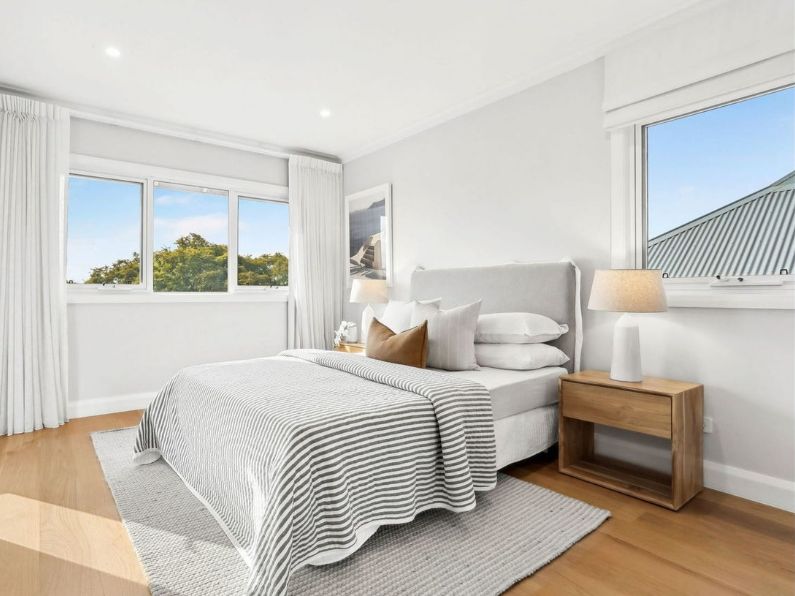
awning windows
Home security comes down to four things: how a window opens, what it is glazed with, how it locks and where it sits. When evaluated on those points, it’s easy to realise how aluminium awning windows offer clear advantages for most homeowners.This guide explores the security benefits of aluminium awning windows, the features to look for and the additional measures that can help protect your home.
Where Is a Home Most Vulnerable to Break-Ins?
Police guidance points to a consistent pattern. Most home break-ins occur during the day, with offenders looking for unlocked doors and windows left open. Police departments often identify windows as a key entry point and note that thieves may break glass to reach a lock.
Two priorities follow. Windows left open while you are out of the house carry the greatest exposure, and glass within reach of a latch deserves attention. A well-specified window supports both.
How Does Window Placement Influence Security?
Sightlines and reach shape risk before hardware does, so it pays to decide where each window sits before choosing glass.
Awning sashes are compact, which suits high-set positions above a kitchen bench or in a bathroom or laundry, where a modest opening meets the need and passers-by cannot see straight in.
Windows facing a side passage or back lane merit the strongest specification your budget allows, because those positions are the least visible to neighbours. Aluminium awning windows there pair well with keyed locks and a restricted opening.
How Does an Awning Window’s Design Support Security?
An awning window is hinged at the top and opens outward from the bottom, operated by a chainwinder. It opens as a controlled wedge rather than a full-width gap, and the raised sash sheds rain, so a room can stay ventilated through light showers.
Ventilation is the main reason windows get left open, so control over the opening carries real value. We can restrict the opening on our aluminium awning windows, which caps how far the sash travels and provides airflow without a wide gap. This way, you can keep a bedroom ventilated at a fixed, limited opening.
How Does Laminated Glass Add Protection?
Laminated glass bonds sheets together with a plastic interlayer.
The 6.38mm laminate listed in the specification for our commercial and semi-commercial awning ranges is typically two 3mm sheets around a 0.38mm layer. When struck, it cracks but tends to stay in the frame, which makes entry slow and noisy and discourages opportunistic attempts.
Glass suppliers note that laminated glass can still be broken with a hammer or brick, and that the interlayer’s strength lies in resisting penetration. For windows in more exposed positions, specialist security laminates use a much thicker interlayer and can be raised at quoting stage.
Which Frames, Dimensions and Grades Suit Your Home?
Aluminium does not rot, swell or warp, so a sash keeps closing squarely against its seals for years, and a well-sealed window is harder to lever.
- Our commercial-grade awning windows use a 101.6mm frame with a heavier sash, in sizes up to 1500mm high and 1200mm wide, rated to 2400Pa wind pressure.
- Semi-commercial awning windows use a 56mm frame with a commercial-grade sash, up to 1500mm by 900mm, rated to 700Pa and suited to buildings of up to three floors.
These are weather ratings, and they vary with configuration. Both grades reach a maximum of BAL 40 for bushfire, with a robust frame and sash and a strong foundation for any added protection.
When Is a Security Screen Worth Adding?
For ground floor windows, or any window reachable from a fence, patio roof or balcony, a certified security screen is a natural next layer.
Look for screens tested to AS 5039, which covers impact, pull, jemmy and knife shear tests, plus a probe test that simulates an intruder reaching through a gap to unlock the window. Untested barrier screens carry no certified resistance to forced entry.
We also offer aluminium and stainless-steel mesh flyscreens as upgrades to fibreglass. They add strength and durability, though they remain flyscreens, so a certified security screen is the right choice where forced-entry resistance is the goal.
What Is the Verdict on Awning Windows?
Awning windows support home security well when they are specified thoughtfully.
They combine a controlled opening, laminated safety glass, lockable hardware and a stable frame, which together form a sound base. Each layer adds time and effort for anyone attempting entry, and police advice notes that offenders who cannot see an easy way in often do not try.
If you are weighing aluminium windows Sydney suppliers, our awning window range is made to measure at our Caringbah factory, and the wider aluminium window collection covers everything else you might need.
So, if you’re searching for “aluminium windows near me”, speak with our experts at (02) 9540 2500 or visit B&W Windows Group today.
FAQs
1. Are awning windows secure for homes?
Awning windows offer a strong security profile when they are well specified. The sash opens outward under the control of a chainwinder, the opening can be restricted, and the glass can be laminated. As with any window, security also depends on keeping it locked and on where it sits, and windows in exposed positions benefit from a certified security screen.
2. Can an awning window be opened from the outside?
The winder and lock are operated from inside, so there is no external handle to turn. Entry would mean forcing the sash or breaking the glass, which is why a keyed lock, laminated glass and good sightlines all add value.
3. Can awning windows stay open when it rains?
In light rain, yes. The top-hinged sash acts like a small awning over the opening, so airflow continues while most of the rain is kept out. In heavy or wind-driven rain, close the window.
4. Should I choose keyed or keyless window locks for aluminium awning windows?
Keyed locks add a step for anyone outside and suit windows that can be reached from a fence, patio roof or balcony. Keyless locks suit high-set windows where convenience matters. With keyed locks, keep the key within reach inside the home so the window can be opened in an emergency, but away from the window itself.
5. Do aluminium windows rust or corrode?
Aluminium does not rust, because rust is iron oxide. It can oxidise, and coastal air can accelerate this, which is why a powder-coated finish matters. At B&W Windows Group, our windows are available in Dulux and Interpon powder-coat colours, plus clear anodised, and regular rinsing with fresh water and mild detergent keeps them in good condition.
6. Are awning windows safer than other types of windows?
Awning windows are generally safer than many standard window types because of their top-hinged design and controlled opening mechanism. Unlike standard casement or double-hung windows that open wide, an awning sash creates a restricted wedge gap that prevents intruders from easily climbing through. When paired with laminated glass and chainwinders, they offer superior resistance to opportunistic break-ins.
7. What type of glass is best for secure awning windows?
Laminated glass is the best choice for secure awning windows. A standard 6.38mm laminated glass panel consists of two sheets of glass bonded around a tough plastic interlayer. When struck, the glass cracks but remains bonded to the interlayer inside the frame, making forced entry noisy, difficult and time-consuming. For high-risk areas, extra-thick security laminates provide even greater penetration resistance.
8. Are awning windows safer than sliding windows?
Sliding windows move horizontally along a track and can sometimes be levered off their tracks or left wide open for ventilation, creating an easy entry point. In contrast, awning windows open outward from the bottom with a winder system that holds the sash firmly in place, making them far harder to force open from the outside while still allowing safe ventilation.