
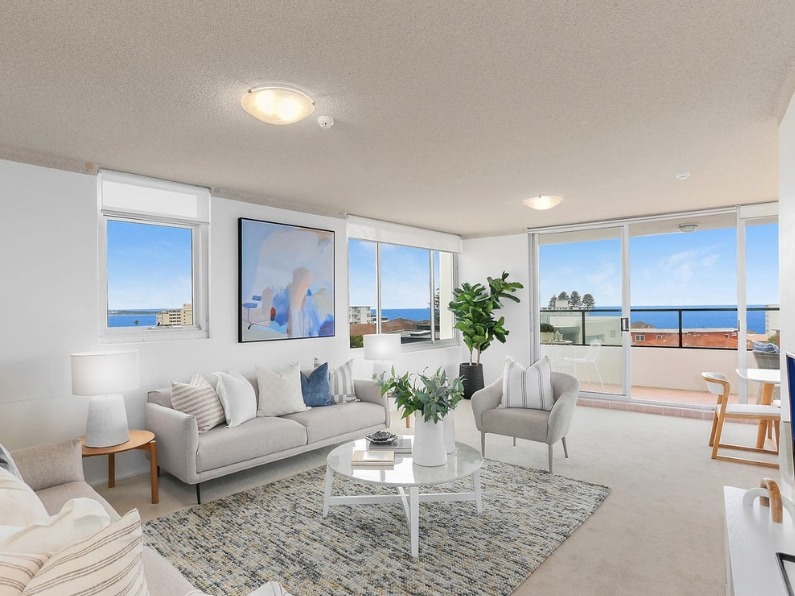
Installing the perfect sliding windows and doors comes down to verifying measurements, finding compatible systems, and ensuring all checks are done. Let’s learn with our experts at B&W Windows Group how you can do it in 7 easy steps.
Step 1: Measure the Rough Opening
Before ordering any aluminium windows or doors, measure through width, height, and diagonally.
A significant difference between diagonal measurements means the opening isn’t square and this needs a closer look.
Step 2: Choose the Right System
Not all aluminium sliding doors are built for the same job. Standard inline tracks suit most homes.
What should you confirm before placing an order?
- Clearance tolerances matched to your specific unit.
- BAL compliance if the property sits in a bushfire-prone zone.
- Powder coat for coastal regions.
Getting these details avoids costly surprises once the unit arrives on site.
Step 3: Prepare the Opening
This is the step that separates a clean install from a leaky one.
- Level the opening, as no door or window holds up well when the opening behind it hasn’t been sorted.
- Have the soft or damaged sill sections repaired fully and not just filled over.
This prep work is what determines whether the installation lasts a decade or becomes a callback within a year.
Step 4: Set the Frame Level
Whether you’re fitting aluminium sliding doors or aluminium sliding windows, remember that the frame always goes in before the panels.
What does a correctly set frame look like?
- Sill reads flat on a spirit level across the full width.
- Both jambs plumb independently.
- Both diagonals equal within tolerable range before a single fixing goes in.
Getting this right is the difference between a door that glides for twenty years and one that starts dragging within the first year.
Step 5: Fix the Frame Correctly
Fix through the pre-drilled jamb holes using the fasteners your manufacturer specifies.
This is because we’ve seen many installs fail where the fixings were wrong or had undersized screws.
However, it is important that you don’t overtighten them either. Through it, excess force distorts the aluminium profile and causes the panel to bind on one side.
Step 6: When the Panels Go In
This is where the quality of the preparation work in earlier steps becomes obvious. A correctly fitted aluminium sliding door should feel effortless with:
- Panels gliding open and closed with minimal effort.
- No lifting or pressing needed to engage the lock.
If anything feels stiff or uneven during the installation, that’s the right time to raise it with your installer.
Step 7: The Final Checks
Before your installer wraps up, a proper sign-off should cover more than a quick look around.
What to ask for at handover:
- A walkthrough of how the door operates and what to watch for.
- Confirmation that weep holes are clear and exterior sealant has been applied.
Additionally, it is important to note that sealant needs time to cure.
To Summarise
- Make sure you measure width and height before ordering.
- Explore tolerances, BAL compliance, and finishes.
- Verify if leveling is proper before fitting.
- Check whether jambs are plumb and diagonals are equal before fixing anything in place.
- Make sure to only use manufacturer-specified components.
- Test if the sliding door glides effortlessly, sits flush when closed, and locks without any force.
- Ask for an operational walkthrough, clear weep holes, and sealing tests.
Perfect Installations, Every time
A window or door installed correctly is one you’ll never have to think about again. It opens smoothly, seals properly, and handles whatever our weather throws at it.
The 7 steps we discussed just need to be done in the right order with the right expertise.
But if you’re finding it challenging to do it by yourself, B&W Windows Group is here to help you.
With 100% licensed professionals that are HBCF-insured, our craftsmanship promises purity and perfection.
FAQs
Q. What are the trending colours for aluminium frames in 2026?
Satin finishes in Monument, Woodland Grey, and Pearl White remain the top choices for Australian architecture. There is also an increasing shift towards textured earth tones that offer low-maintenance.
Q. What should I check before installing external aluminium sliding doors?
You must verify the lintel strength and ensure floor levels allow drainage. Also, confirm that the track depth matches your wall and that all components meet the weather standards.
Q. Are external aluminium sliding doors suitable for all weather conditions in Australia?
Yes, aluminium handles extreme UV, heavy rain, and coastal salt spray.
Q. Are custom aluminium sliding doors more expensive?
Custom units have higher upfront costs but eliminate expensive structural renovations. They fit existing openings perfectly, reducing labour expenses and ensuring superior weatherproofing compared to forcing sizes into non-standard spaces.
Q. How do I maintain aluminium sliding doors and windows after installation?
Vacuum tracks monthly to remove debris. Clean frames quarterly using soapy water and a soft cloth. Apply silicone spray to rollers annually, ensuring you avoid oil-based lubricants that attract dust.
Q. What are the benefits of installing aluminium sliding doors in Australian homes?
They offer slim profiles for maximum light, high durability against rot, and non-combustible properties for bushfire zones.
Q. What are the key steps involved in installing aluminium sliding doors?
Leveling the sill precisely and using only manufacturer-recommended components should not be skipped.