
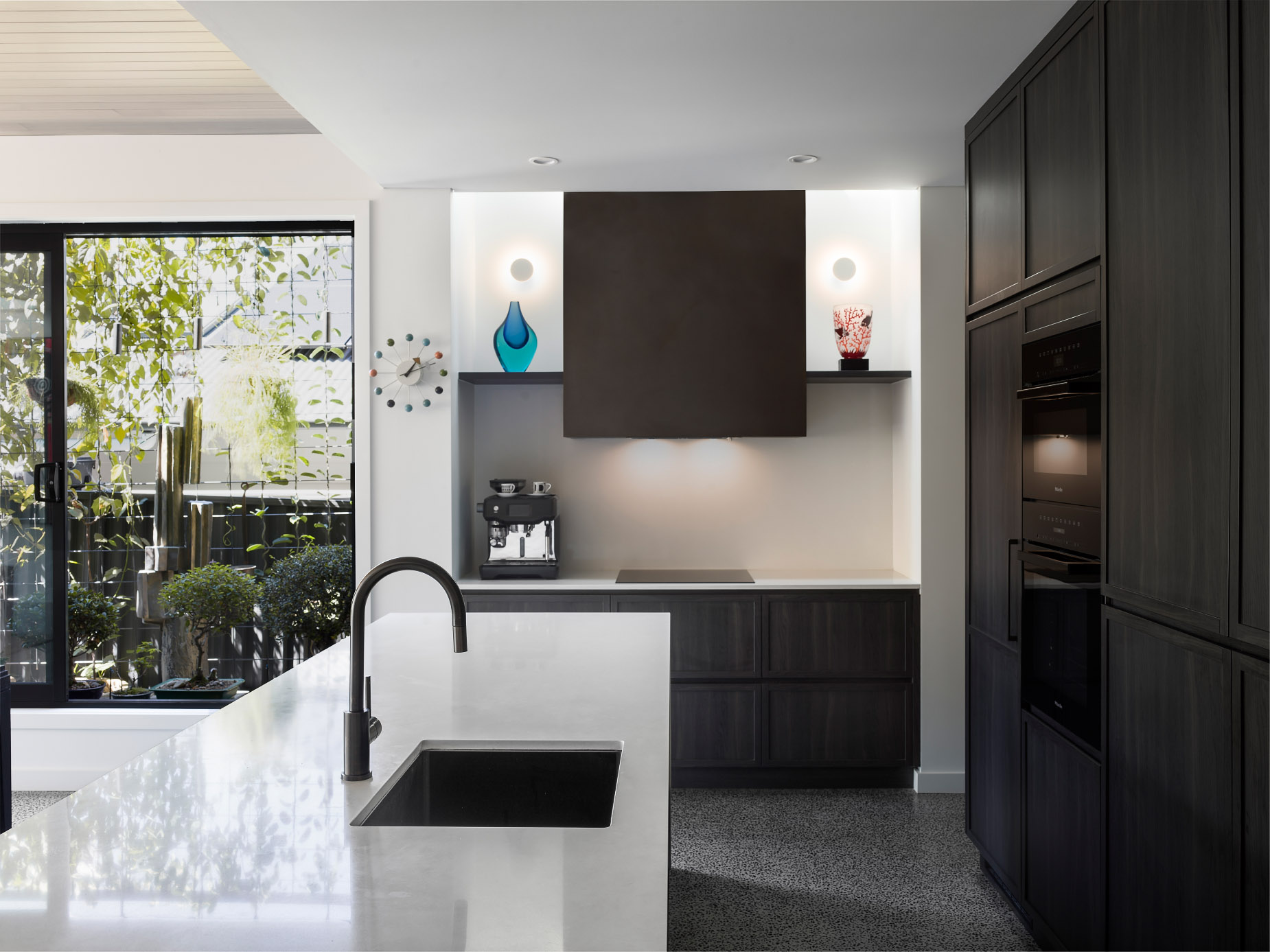
Ever asked why your aluminium sliding doors sometimes stick, rattle, or gather salt stains? Or wondered if regular cleaning really helps? The fact is that with a bit of regular maintenance, you can keep all these issues at bay. By washing frames and glass with a mild detergent, clearing tracks of grit, you can keep your aluminium sliding doors gliding effortlessly for years!
As specialists in aluminium sliding doors, we’ve maintained thousands of units across NSW for nearly 50 years. Check out the tips below on how to best maintain your aluminium sliding doors.
Clean Frames, Glass, and Wet Areas Gently
Salt air, pollen or spray can dull your aluminium sliding doors fast in Sydney’s harbour suburbs. To deal with this, use warm water with a pH‑neutral detergent, a soft cloth or a sponge. But do not use abrasive creams or scourers! Later, dry it thoroughly with a microfibre cloth to protect the powder‑coat finish.
In case of hinged doors, pivot doors, or designer entry doors, gently clean their handles, hinges and frames. For doors with glass inserts like bi-folding or stacking doors, you can use a mild glass cleaner. However, for tinted or Low‑E glass, it is best to check with the manufacturer’s guidelines.
This simple care regime prolongs seals and keeps your aluminium sliding doors looking new.
Keep Tracks, Sills, and Weep Holes Clear
Sliding units rely on clean channels to glide, but dirt, lint or pebbles can jam rollers quickly. To avoid it, vacuum or brush tracks every few months and clear the wet holes as they must drain quickly. If neglected, clogs can lead to leaks or gunging under the unreachable spots of sliding and stacking doors.
Even bi‑folding doors, where lower rollers and guide tracks can trap debris. Here, test drainage by gently pouring clean water into the sill and checking the outlet. If the flow is slow, flush it again and repeat the test.
Doing this prevents friction, corrosion, and avoids gasket swelling. It also ensures your aluminium sliding doors stay smooth.
❗Remember, tracks are not a grease reservoir. Avoid spraying a track base with oil or silicone, as doing so will trap grit and accelerate wear.
Remember to Lubricate Only Moving Parts and Not the Track Bases!
You might wonder whether heavy oils can fix a sticky slider? Actually, no.
Instead, spray silicone lubricant, not grease, on the roller axle, pivot points, hinge cranks and handle joints. Why silicone? Because silicone resists grit and stays clean. Where to not apply it? Not on the track floor or glass.
This applies across all aluminium door types when top pivots of pivot doors, the folding hinges of bi-folding doors, or the locking mechanisms in hinged doors are in question. Here, you need to lean surfaces first, then lightly lubricate the working joints only.
Finally, open and close your external aluminium sliding doors several times to distribute the lubricant evenly.
Check the Roller Alignment and Door Level too
Does your sliding door feel stiff or misaligned? Misaligned rollers cause scraping or seals to fail quickly. To fix this, we at B&W Windows Group Suggest:
- Use a screwdriver to gently adjust roller height, typically beneath each sliding leaf.
- Turn clockwise to raise, anti‑clockwise to lower.
Bi-folding doors, especially top-hung systems, often have adjustable guides to ensure they close flush and slide without strain. Here, a small roller tweak can change it into an effortless slide.
❗Although this step reduces wobble and improves air and water seal. It is a particularly sensitive task, and calling in a specialist from B&W Windows Group is highly recommended. The adjustment needs to be done with skilled hands, with controlled force and professional supervision.
Inspect Handles, Locks, Seals and Weather‑Strip Properly
Handles stiff or locks dragging? Hardware must work as hard as the glass and frame, if not more. To maintain them properly, clean catch mechanisms and latch areas with mild detergent, then rinse and pat them dry.
In hinged and bi-folding doors, weather-strips and seals tend to wear faster. To avoid further issues, check the balance system and replace the worn weather‑strips immediately. This is important because brittle seals compromise insulation, water‑tightness, storm resistance and acoustic barrier functionality.
How to Control Corrosion and Tea‑Staining if You Live Near Coastal Zones
While aluminium is great at resisting rust, salt exposure can cause grey‑white corrosion or tea stains if the doors are located in properties near the sea.
If your property is located within 500 metres of the ocean or near a chlorinated pool, rinse the door frames monthly using fine-spray water. How to know when it’s time to call B&W Windows for a specialised look? If tea‑staining persists, it appears as grey or chalky corrosion.
Set a ‘Practical’ Maintenance Calendar too
Want to have your internal or external aluminium sliding doors glide longer without fuss? Here’s a guide to setting a sensible maintenance calendar.
-
Coastal (within 500 m – 1 km)
-
Frame/Glass Wash: Every 3 months
-
Track & Weep Cleaning: Every 3 months
-
Hardware Lubrication: Every 6–12 months
-
-
Near pool or sprinkler
-
Frame/Glass Wash: Every 3 months
-
Track & Weep Cleaning: Every 3 months
-
Hardware Lubrication: Every 12 months
-
-
Urban suburbs (Sydney)
-
Frame/Glass Wash: Every 6 months
-
Track & Weep Cleaning: Every 6 months
-
Hardware Lubrication: Every 1–2 years
-
Repeat the same for all door types, such as sliding, bi-folding, pivot, stacking, designer entry, and hinged doors, especially if located in high‑wind or coastal areas.
A Quick Recap to Maintain Sliding Doors
Aluminium sliding doors and windows in Sydney face harsh conditions like UV, sea‑salt and dust, taking a toll on frames and glass. With proper care, your sliding doors can deliver decades of silent, optimal performance.
- Gently cleaning preserves powder‑coated internal or external aluminium sliding doors.
- Corrosion control prevents irreversible damage.
- Silicone lubrication at pivot points avoids track build‑up.
- Roller alignment ensures low friction and tight seals.
- Well‑maintained hardware ensures safety, thermal and acoustic performance.
All our tips are indeed effective, and now you know exactly how.
But we know how challenging it gets to keep track of the schedule and techniques, no matter how often we bookmark the blogs. Hence, B&W Windows Group offers maintenance contracts to take care of your investment in the best way possible.
Professional Service Does Pay Off in Multiple Ways
Still a bumpy experience after cleaning? Persistent seal leaks or condensation? Tried everything, and you’re frustrated due to the stiff sliding door?
Signs you should call experts at B&W Windows Group are:
- If doors still grind after cleaning and lubrication, the track may be warped or bent.
- If spray‑lubricating fails to clean rollers, they may be worn beyond DIY adjustment.
- Cracks or breakage in glazed pivot or entry doors, or failing acoustic glass insulation.
If your aluminium sliding door rollers remain jammed even after alignment or following the above steps, it may be a bent track or worn rollers. Major seal defects, condensation between glazings, or mismatched roller geometry demand professional attention.
Want a custom maintenance guide for internal and external aluminium sliding doors? Trust the experts Sydney relies on since 1988. Contact B&W Windows and Doors
FAQs
1. How can I extend the life of my aluminium sliding doors?
Regularly clean frames, clear tracks, lubricate moving parts, and inspect seals. Proper care ensures long-term use of sliding doors.
2. Can I use oil to lubricate aluminium sliding doors?
No. Use silicone spray only on rollers and hinges. Oils attract dirt and damage external aluminium sliding doors over time.
3. Should I hire a professional for aluminium sliding door maintenance?
Yes, especially for roller alignment or frame corrosion. B&W Windows Group offers you expert service for your external aluminium sliding doors.
4. Are sliding doors secure against break-ins?
Modern aluminium sliding doors come with multi-point locking systems, reinforced frames, and anti-lift tracks to improve home security.
5. Are there colour options available for aluminium sliding door frames from B&W Windows Group?
Yes, powder-coated aluminium sliding doors come in a wide range of Dulux and Interpon colours, including custom matt and textured finishes.