
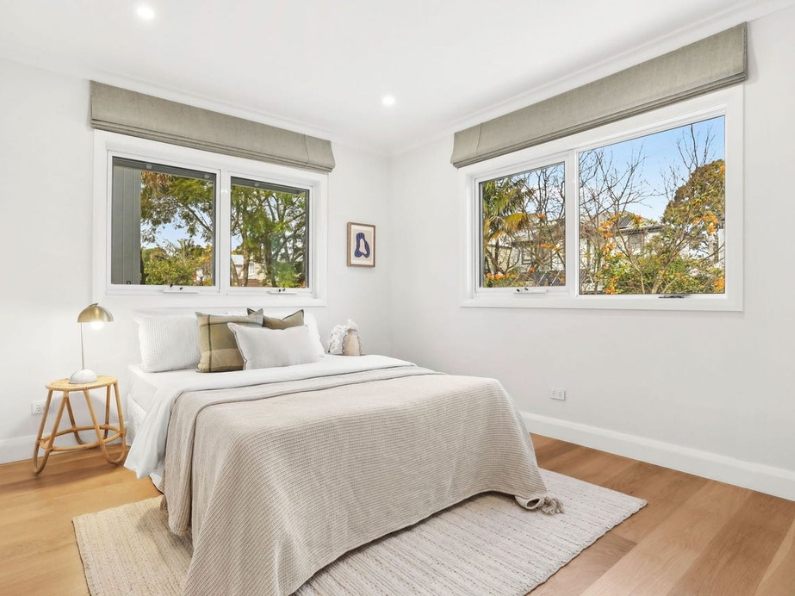
Have you ever walked into a home that feels bright, breezy and calm, even on a warm afternoon? Often, it is not just the layout doing the work – it’s the windows. More specifically, it’s smartly placed Awning windows in action.
And while many homeowners still mainly install Awning windows for bathrooms or laundries, their design offers newfound creativity and innovation. So how can you reimagine your space with them, minus the hassle? Discover it all through our experts.
What are aluminium awning windows?
Aluminium awning windows are top-hinged windows that open outward, allowing fresh air to flow in while helping keep rain out. Their strong aluminium frames support slim profiles, larger glass areas and tight seals.
This makes them ideal if you’re seeking uninterrupted ventilation, low maintenance and a neat, modern look to enhance your home. Be it new builds or a renovation. Now it’s time to rethink them.
1. Fill rooms with a soft, serene daylight
Have you noticed how harsh sunlight can be, especially in open-plan homes?
Installing awning windows high on the wall, often called clerestory placement, brings in natural light without glare. Picture a living room with clean walls, artwork at eye level and a continuous strip of light floating above.
They let daylight spread evenly across the ceiling, reducing the need for artificial lighting during the day. And because they open outward from the top, they also release warm air that naturally rises.
2. Get effective moisture control with zero compromise on privacy
How privacy-centric is your bathroom ventilation?
Awning windows are suited to bathrooms and laundries due to their outward-opening setup. This design choice allows ventilation even during rainfall while minimising water ingress. And when you choose to install them above eye level, they maintain privacy and promote consistent moisture outflow.
From a material standpoint, aluminium windows offer exceptional corrosion resistance. This is particularly true when powder coating is used for coastal and highly humid environments.
3. Know the freedom to create lively functional zones
In modern homes, Awning windows are increasingly specified as alternative kitchen servery openings. When installed above a benchtop, the sash opens outward to form a protected serving aperture, ideal for alfresco dining areas. This makes them functionally suitable as a compact servery hatch, especially where a full bi-fold or sliding window system is not preferred.
From a design coordination perspective, they allow ventilation control without disrupting structural alignment or cabinetry layouts. This solution improves airflow management while reinforcing the connection between internal and external zones.
4. Awning windows can enhance your sleep quality
Awning windows are commonly used in bedrooms where controlled airflow is required, but without compromising your safety. When positioned higher on the wall, they enable continuous ventilation while limiting external access.
From a building science viewpoint, pairing high-level Awning windows with lower openings elsewhere in the dwelling facilitates stack ventilation. This means warm air is expelled at high points, drawing cooler air through the home and reducing reliance on mechanical cooling systems. This ingenious passive design principle is highly popular across Sydney homes.
5. Preserve those sharp architectural lines!
Does your facade balance aesthetics with performance?
Designers often integrate awning windows into facades alongside other designs to create rhythm and varied proportion. Fixed panes maintain clean visual lines, while operable awning sections provide functional ventilation.
Thanks to the strength-to-weight ratio of aluminium windows, frames can be kept slim while supporting larger glass areas. Custom powder-coated finishes also allow Awning aluminium windows to align with contemporary facade materials such as concrete, timber and masonry.
6. Have narrow or double-storey homes? Optimal passive cooling is here
In compact floor plans and terrace homes, awning windows placed at corridor ends or above internal doorways significantly improve airflow. These openings act as exhaust points for accumulated heat.
From an architectural perspective, this supports passive cooling strategies by reducing internal air pressure and encouraging cross-ventilation. Aluminium windows are structurally stable, making them suitable for repetitive operation in high-use circulation zones.
7. Get rid of disruptive noise impacting your productive hours
Is your workspace comfortable for long hours? Acoustic and temperature control in home offices are truly important… especially after the work-from-home lifestyle has been normalised.
In studies and home offices, Awning windows offer a balanced solution. Their fixed panes maximise daylight penetration, whilst providing controllable ventilation without introducing excessive drafts. The outward-opening sash also avoids interference with internal blinds or furnishings.
But you may ask, why aluminium over other materials?
Aluminium windows provide exceptional dimensional stability, meaning they do not warp, swell or deteriorate under temperature fluctuations. They also support multi-point locking hardware and high-performance seals. Together, these features contribute to improved air preservation (when you want), water resistance (all-day) and unmatched durability through its lifetime.
Reimagine your gorgeous space with B&W Windows Group
It is not surprising that these and many other possibilities make awning aluminium windows one of the most sought-after fenestrations today.
The best design decisions are the ones you appreciate every day. At B&W Windows Group, we help you get your windows right the first time, so life inside your home flows naturally. Ready to open one for an insightful conversation? Call us at (02) 9540 2500.
FAQs
Q. What are awning windows and how do they work?
Awning windows are top-hinged windows that open outward from the bottom, allowing controlled ventilation while helping keep rain out. Modern aluminium awning windows use strong, slim frames and tight seals for reliable everyday performance.
Q. Are awning windows secure enough for ground-floor use?
Yes. When specified as aluminium awning windows with multi-point locking hardware and restricted opening angles, awning windows can be a secure option for ground-floor applications in modern homes.
Q. Where are awning aluminium windows most commonly installed in modern homes?
Awning aluminium windows are commonly installed in bathrooms, laundries, kitchens, bedrooms, home offices and high-level wall positions where privacy, airflow and weather protection are equally important.
Q. Are awning windows harder to clean?
Aluminium awning windows are designed to open wide enough for safe internal access, making routine cleaning manageable even in upper-storey installations.
Q. Are aluminium awning windows suitable for all weather and climate conditions?
Yes. Aluminium awning windows perform well across Australian climates. Their outward-opening design helps shed rain, while aluminium frames resist corrosion, heat and UV exposure, making them suitable for aluminium windows Sydney projects and coastal homes.
Q. How do awning windows differ from other window types?
Awning windows open outward from the top, unlike sliding or fixed windows. This allows ventilation during light rain and offers better weather sealing.
Q. Can awning windows be paired with other window styles?
Yes. Awning windows are often paired with fixed or sliding aluminium windows to balance ventilation, daylight and uninterrupted views, particularly in contemporary Australian home designs.