
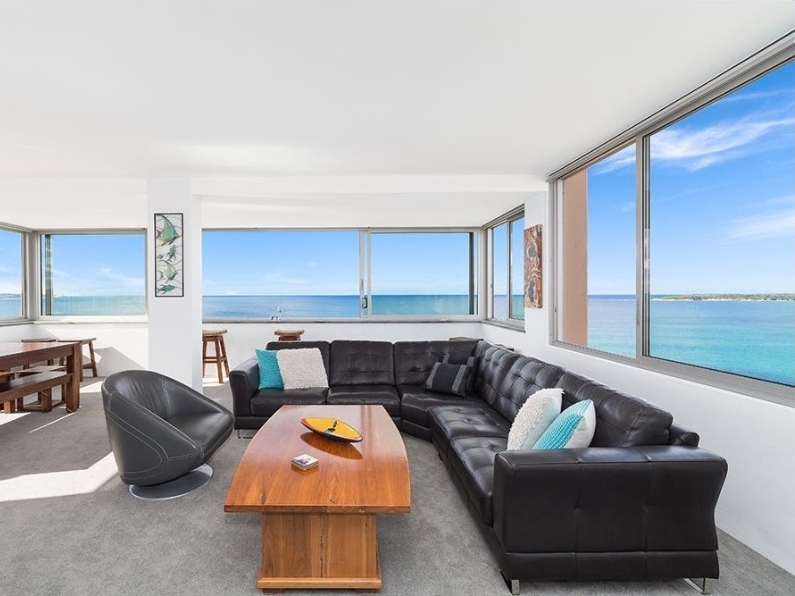
The most important steps include ensuring the series/profile matches your opening, checking hardware, confirming size-suitable options and configurations, considering local conditions and the relevant compliance to pick a durable finish. And while most homeowners only buy windows once or twice in a lifetime, the choice you make affects daily comfort, maintenance, security, and how your rooms actually work. These 6 suggestions will help you configure your aluminium sliding windows for superior performance and visual impact.
1. Not all aluminium sliding windows are built the same
At first glance, aluminium windows can look straightforward with their slim frames, clean lines, and modern aesthetics. But behind that simplicity lies different systems to suit usage needs and design goals
- Entry-level series suits compact openings and controlled budgets.
- Mid-range systems handle larger panels and daily use with ease.
- Heavy-duty or stacking systems support multiple sliding sashes across wide openings.
- Sashless aluminium sliding windows reduce visible framing for a cleaner look.
🪟 Did you know? Some aluminium sliding windows are designed for small bedroom openings. Others are engineered to handle wide living-room spans or multi-panel layouts. That’s where window series come in.
2. How the window slides matters more than you think
You’ll open and close your aluminium sliding windows thousands of times. If the movement feels rough now, it won’t improve later. And what controls that smooth glide? It’s the rollers, tracks, and sash balance.
- Heavy-duty rollers that can handle the sash weight.
- Dual or tandem rollers for smoother, quieter movement.
- Tracks designed to minimise dirt build-up.
- Hardware that can be serviced or replaced, not sealed forever.
🪟 B&W Windows Group suggests you conduct this simple test by checking the sliding ease of the window using two fingers. If not, it’s a warning sign… especially for larger aluminium windows.
3. Rethink how the room actually works
Because this is where many people get caught out.
Before choosing a configuration, picture the room fully furnished. Where does the sofa sit? Will a sliding sash block airflow? Do you want partial or wide openings?
- Two-panel sliders (one fixed, one moving).
- Three-panel layouts for flexible ventilation.
- Multi-track stacking systems for wide openings.
- Sashless designs for unobstructed views.
🪟 For example, in a lounge opening onto a patio, stacking aluminium sliding windows allows multiple panels to slide aside. This allows you to liberally open the space far more than a standard two-panel setup. Ask yourself, “When this particular window is open on a warm afternoon, what do I want the space to feel like?”
4. Insist on AS-2047 for compliance and performance testing
In Australia, windows must meet AS-2047 performance standards. This isn’t paperwork for the sake of it; it ensures the window can handle wind pressure, water exposure, and regular operation.
If a supplier avoids answering the following questions, that tells you everything you need to know.
- Ask whether the aluminium sliding windows are AS-2047 compliant.
- Confirm the specific series has been tested, not just the range.
- Ensure sizing stays within tested limits.
🪟 This is especially important in exposed locations, coastal suburbs, and multi-storey homes, which remain common scenarios where Sydney builders can specify.
5. Installation, site tolerances and water management
Good windows fail or succeed at install time. A correct frame set-out, drainage path and sealing are as important as the window itself.
And while water issues almost never come from the window itself, they come from rushed installs or missing details. To avoid such undesirable outcomes, look out for:
- Accurate opening measurements.
- Proper drainage paths within the frame.
- Clear weep holes to manage water.
- Correct sealing between the frame and the structure.
🪟 Don’t feel anxious to enquire who is responsible for installation quality and follow-up if something goes wrong. Do they follow dedicated quality assurance steps?
6. Think long term with finishes and upkeep data
Aluminium can be powder-coated in many colours and finishes; coatings vary in durability. Finish choice affects upkeep and long-term appearance.
- Powder-coat options are common; ask for colour reference and a warranty on the finish.
- Maintenance is usually simple: clean tracks, clear debris from weep holes and lubricate rollers occasionally.
- Remember to get clearly mentioned warranty details for frames, hardware and installation. Know who to call for after-sales support.
🪟 If you live in environments with humid and salt-laden air, say Sydney’s coastal regions, select a finish and hardware rated for coastal exposure, and note this on the quote.
Why understanding window components changes your buying decision
If you’re reviewing aluminium sliding windows Sydney suppliers, asking about critical components (frame, sash, rollers, tracks, locks and finish) is advisable.
Consider a short example having a north-facing lounge with a 3.6 m wide opening demonstration.
- Option A: two large sashes on a 2-track system, i.e., cheap, but limited ventilation when the weather is hot.
- Option B: a three-panel stacking system (3000/4000 style) that lets you open the centre two panels and stack one to the side for a much wider opening and better flow.
Understanding better improves your choice
When you know how aluminium sliding windows are built, you stop comparing brochures and start comparing systems. That’s how informed buyers choose aluminium windows that suit their home.
Not sure which aluminium window system fits your layout? Our team at B&W Windows Group can guide you through options that actually work in real homes.
You can also have a quick glance at our 500/1000/3000/4000 or sashless options.
FAQs
Q. What factors determine the quality of an aluminium window?
The quality of aluminium windows is determined by:
- Frame profile thickness and design
- Roller and track system quality
- Locking and hardware specifications
- Compliance with Australian Standards (AS-2047)
- Installation accuracy and finish durability
Q. Which components determine the quality of a window?
Consider frame, sash, rollers, tracks, locks and finish. You are encouraged to ask questions such as these for better outcomes.
- What rollers, locks and screens are fitted? Are they replaceable?
- What is the warranty on frame finish, hardware and installation?
- Who installs them? What is the installer warranty?
Q. Are aluminium sliding windows difficult to maintain?
Not at all. Aluminium sliding windows are considered low-maintenance by Australian standards. Routine care usually involves cleaning the tracks, clearing debris from weep holes, and occasionally lubricating rollers. With basic upkeep, aluminium windows continue to slide smoothly for years without adjustment.
Q. Are sliding windows safe?
Modern systems include robust multi-point locks and strong sash construction to ensure added safety. It is also influenced by hardware choice and compliance standards more than by aluminium as a material.
Q. Are aluminium sliding windows suitable for large openings?
Yes. Many aluminium window systems are specifically engineered for wide openings using reinforced frames, heavier rollers and multi-track configurations that support larger, heavier sliding sashes safely.